
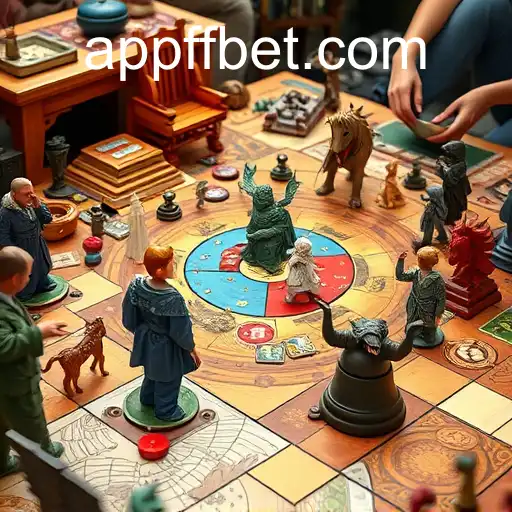
ffbet PH Login | Exploring the Realm of Tabletop Games: A Journey into Strategy and Imagination
ffbet PH Login’s Dive into the world of tabletop games, exploring their rich history, strategic depth, and the rise of digital forums including ffbet PH Login.
The Intriguing World of Tabletop Games
Tabletop games hold a unique position in the realm of entertainment. Unlike many digital games that rely on screens and technology, tabletop games invite players to gather around a physical space, fostering face-to-face interactions and strategic thinking. Over the years, these games have evolved significantly, encompassing a variety of genres, complexities, and themes.
A Brief History of Tabletop Games
The history of tabletop games stretches back thousands of years, with some of the earliest examples dating back to ancient civilizations like Egypt and Mesopotamia. Games such as Senet and The Royal Game of Ur show that humans have long sought out recreational activities that exercise the mind as much as they entertain. Fast-forwarding to modern times, the board games of the 20th century, such as Monopoly and Scrabble, laid the groundwork for the complex, thematic games we see today.
The Evolution of Tabletop Games
With the establishment of games like Dungeons & Dragons in the 1970s, which introduced the concept of role-playing, tabletop games began to expand deeply into narrative-driven experiences. This genre allowed players to immerse themselves in fictional worlds, dictate outcomes, and collaborate toward common goals. As interest grew, so did the variety of games available, ranging from resource management games like Settlers of Catan to strategic deck-building games like Dominion.
The Social Impact of Tabletop Games
One of the most significant advantages of tabletop games is their ability to bring people together. They are not merely contests of skill and luck but are platforms for social interaction, team-building, and communication. Regular gaming sessions often turn into social gatherings, creating communities around shared interests and experiences.
Digital Influence and the Rise of Online Communities
In recent years, the digital transformation has not left tabletop games untouched. Many traditional games have found new life in digital formats, offering online multiplayer options and introducing app-based companions that enhance gameplay. This shift has been complemented by platforms like ffbet PH Login, which offer forums for discussion, strategies, and player connections.
These digital spaces allow enthusiasts to share experiences, find fellow gamers, and access tutorials that might improve their game strategy. Additionally, they enable organized tournaments and rankings, adding a competitive edge to the casual nature of traditional tabletop gaming.
The Rich Variety of Tabletop Games
The diversity of tabletop games is staggering, covering a wide range of interests and skill levels. For those who relish deep strategic planning, games like Twilight Struggle or Agricola may be enticing. Families might enjoy lighter, more accessible experiences like Ticket to Ride, which emphasizes fun without sacrificing engagement.
Economic Implications and Market Growth
The tabletop game industry has witnessed significant growth over the past decades, with dedicated conventions and crowdfunding campaigns playing prominent roles. Events like Gen Con and Essen Spiel showcase the industry’s vibrancy, highlighting new releases and allowing enthusiasts to experience the latest innovations firsthand.
The advent of crowdfunding platforms has been particularly impactful, enabling independent designers to bring diverse ideas to the market that may have otherwise been overlooked by traditional publishers. This has resulted in an influx of innovative game mechanics and themes, broadening the scope and appeal of tabletop games.
Tabletop Games as Educational Tools
Beyond entertainment, tabletop games also serve as valuable educational tools. Games like Pandemic provide insights into teamwork and crisis management, while history-based games, like Through the Ages, encourage learning through engaging narratives and scenarios. Educational institutions increasingly recognize the potential of these games to enhance critical thinking, problem-solving, and teamwork skills among students.
The Future of Tabletop Games
As technology continues to evolve, it is likely that tabletop games will continue to blend the physical and digital realms. Augmented reality (AR) and virtual reality (VR) offer exciting possibilities for immersive experiences that remain anchored in the tangible interactions that define tabletop gaming. Moreover, the increasing globalization of markets means that diverse cultures will contribute to a richer tapestry of games and experiences.
In conclusion, tabletop games continue to be a vibrant part of our culture, offering rich, engaging experiences that bridge the gap between entertainment, education, and social interaction. Whether through traditional face-to-face gaming sessions or through digital platforms like ffbet PH Login, they provide endless opportunities for creativity, strategy, and fun.
